
Complete Guide to Handyman App Development:Everything You Should Know
The digital transformation of service industries has revolutionized how consumers access home maintenance and repair services. Handyman App solutions have emerged as a cornerstone of the on-demand economy, connecting skilled professionals with homeowners seamlessly. This comprehensive guide explores every aspect of On-Demand Handyman App Development, providing insights for entrepreneurs, businesses, and developers looking to enter this lucrative market.
Market Overview and Growth Potential
The global handyman services market has experienced unprecedented growth, driven by urbanization, busy lifestyles, and the increasing preference for professional services. Custom handyman app development has become essential for businesses seeking to capitalize on this trend, with the market projected to reach significant valuations in the coming years.

Key Market Drivers
- Digital-First Consumer Behavior: Modern consumers expect instant access to services through mobile applications.
- Gig Economy Expansion: Growing number of skilled professionals seeking flexible work opportunities.
- Urban Population Growth: Increased demand for home maintenance services in metropolitan areas.
- Time-Conscious Lifestyle: Consumers prioritizing convenience and time-saving solutions.
Influencing Factors for Handyman App Development Success
Several critical factors drive the attractiveness and viability of launching a Handyman App
1. Rising Demand for On-Demand Services
The exponential growth in on-demand applications across various sectors has created consumer expectations for instant service availability. This trend directly benefits handyman service platforms.


2. Horizontal User Base Expansion
The target demographic for handyman services spans across age groups, income levels, and geographic locations, providing a broad market opportunity.
3. Employment Opportunities Creation
On-Demand Handyman App Development creates sustainable income opportunities for skilled tradespeople while offering flexible work arrangements.


4. 24/7 Service Availability
Unlike traditional service providers with limited operating hours, digital platforms can offer round-the-clock booking capabilities, enhancing customer satisfaction.
5. Competitive Pricing Models
Transparent pricing structures and competitive rates attract cost-conscious consumers while ensuring fair compensation for service providers.

Leading Handyman App Examples and Case Studies

Essential Features for Handyman App Development
Customer-Side Application Features:
Core Functionality
- Service Category Selection: Intuitive browsing of available services (plumbing, electrical, carpentry, etc.)
- Professional Discovery: Advanced search and filtering options for finding qualified handymen.
- Real-Time Booking System: Instant scheduling with availability confirmation.
- Location-Based Services: GPS integration for accurate service area identification.
- Transparent Pricing: Upfront cost estimates and pricing calculators.


Advanced Features
- Multi-Service Booking: Ability to book multiple services in a single appointment.
- Recurring Service Scheduling: Automated booking for regular maintenance needs.
- Emergency Service Request: Priority booking for urgent repairs.
- Photo/Video Upload: Visual documentation of required work.
- In-App Communication: Secure messaging between customers and professionals.
Service Provider Application Features:
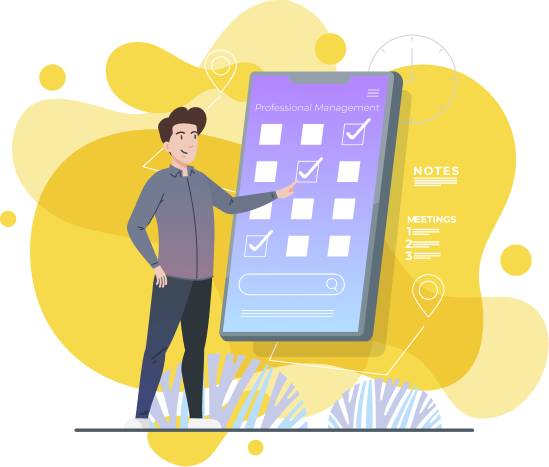
Professional Management Tools
- Profile Creation: Comprehensive skill showcasing and certification upload.
- Service Area Management: Geographic coverage settings and availability zones.
- Calendar Integration: Personal schedule synchronization and availability management.
- Earnings Dashboard: Detailed financial tracking and payment history.
- Customer Relationship Management: Client history and communication logs.

Business Enhancement Features
- Dynamic Pricing Tools: Ability to adjust rates based on demand and complexity.
- Portfolio Showcase: Before/after photos and project galleries.
- Professional Certification Display: Verified skills and qualifications presentation.
- Review Response System: Professional reputation management tools.
Administrative Panel Features:
Business Operations Management
- User Management: Comprehensive control over customer and provider accounts.
- Service Category Administration: Adding, modifying, and organizing service types
- Quality Assurance Tools: Service monitoring and quality control systems.
- Dispute Resolution Center: Systematic handling of conflicts and complaints.
- Analytics and Reporting: Business intelligence and performance metrics.


Financial Management
- Commission Structure Management: Flexible fee configuration options.
- Payment Processing Oversight: Transaction monitoring and financial reporting.
- Promotional Campaign Management: Discount and coupon administration.
- Revenue Analytics: Detailed financial performance tracking
Technology Stack for Custom Handyman App Development
Frontend Development
- Native iOS: Swift/Objective-C for optimal performance and user experience.
- Native Android: Kotlin/Java for seamless Android integration.
- Cross-Platform Options: React Native or Flutter for cost-effective multi-platform deployment.
Backend Infrastructure
- Server Technology: Node.js, Python (Django/Flask), or Ruby on Rails.
- Database Solutions: PostgreSQL or MongoDB for scalable data management.
- Cloud Services: AWS, Google Cloud Platform, or Microsoft Azure.
- API Architecture: RESTful APIs or GraphQL for efficient data communication.
Essential Integrations
- Payment Gateways: Stripe, PayPal, or regional payment processors.
- Mapping Services: Google Maps API or Mapbox for location-based features.
- Communication Tools: Twilio for SMS/voice, SendGrid for email notifications.
- Push Notifications: Firebase Cloud Messaging or Apple Push Notification Service.
Development Process and Timeline
Phase 1:
Discovery and Planning
(2-4 weeks)
- Market Research: Comprehensive competitor analysis and target audience identification.
- Requirements Gathering: Detailed feature specification and user story creation.
- Technical Architecture: System design and technology stack finalization.
- UI/UX Design: Wireframing, prototyping, and user interface design.
Phase 2:
MVP Development
(8-12 weeks)
- Core Feature Implementation: Essential functionality development.
- Backend Infrastructure: Database design and API development.
- Frontend Development: User interface implementation across platforms.
- Integration Testing: Third-party service integration and testing.
Phase 3:
Advanced Features and Testing
(6-8 weeks)
- Quality Assurance: Comprehensive testing across devices and scenarios.
- Security Implementation: Data protection and secure payment processing.
- Performance Optimization: Speed and reliability enhancements.
Phase 4:
Deployment and Launch
(2-3 weeks)
- App Store Submission: iOS App Store and Google Play Store deployment.
- Marketing Preparation: Launch strategy and promotional material creation.
- Support System Setup: Customer service and technical support infrastructure.
- Post-Launch Monitoring: Performance tracking and issue resolution.
Monetization Strategies
Monetization Strategies
- Service Fee: Percentage commission from each completed transaction.
- Subscription Tiers: Premium memberships for enhanced features.
- Lead Generation: Charges for connecting customers with professionals.

Additional Revenue Streams
- Advertisement Revenue: Sponsored listings and promotional placements.
- Premium Services: Express booking and priority support options.
- Partnership Programs: Collaborations with tool suppliers and service companies.
- Training and Certification: Professional development courses for service providers.

Development Challenges and Solutions
Development Challenges and Solutions

Technical Challenges:
Real-Time Communication
- Challenge: Ensuring seamless communication between customers and service providers.
- Solution: Implement Web Socket connections and push notification systems for instant messaging and updates.
Location Accuracy
- Challenge: Precise location identification for service delivery.
- Solution: Integrate multiple location services and implement address verification systems.
Scalability
- Challenge: Handling increasing user base and transaction volume.
- Solution: Implement microservices architecture and cloud-based auto-scaling solutions.
Business Challenges:
Quality Control
- Challenge: Maintaining consistent service quality across all providers.
- Solution: Implement comprehensive rating systems, background checks, and continuous training programs.
Market Competition
- Challenge: Differentiating from established competitors.
- Solution: Focus on niche services, superior user experience, or geographic specialization.
Trust Building
- Challenge: Establishing credibility in a trust-dependent service industry.
- Solution: Implement verification systems, insurance coverage, and transparent review mechanisms.
Security and Compliance Considerations
Security and Compliance Considerations

Data Protection
- Personal Information Security: Encryption of sensitive user data and secure storage protocols.
- Payment Security: PCI DSS compliance for financial transaction protection.
- Communication Privacy: End-to-end encryption for customer-provider interactions.
Location Accuracy
- Challenge: Precise location identification for service delivery.
- Solution: Integrate multiple location services and implement address verification systems.
Regulatory Compliance
- Professional Licensing: Verification of service provider credentials and certifications.
- Insurance Requirements: Liability coverage for both platform and service providers.
- Labor Law Compliance: Adherence to local employment regulations and contractor classifications.
Choosing the Right Handyman App Development Company
Essential Criteria for Selection:
Technical Expertise
- Portfolio Assessment: Review of previous on-demand app development projects.
- Technology Proficiency: Expertise in relevant programming languages and frameworks.
- Scalability Experience: Proven track record of handling growing user bases.
- Security Implementation: Strong focus on data protection and secure coding practices.
Industry Understanding
- Domain Knowledge: Experience in service marketplace development.
- Regulatory Awareness: Understanding of local compliance requirements.
- User Experience Focus: Demonstrated ability to create intuitive user interfaces.
Post-Development Support
- Maintenance Services: Ongoing technical support and bug fixes.
- Feature Enhancement: Capability for future feature additions and updates.
- Performance Monitoring: Continuous optimization and performance improvement.
Cost Estimation and Budget Planning
Development Cost Factors
- App Complexity: Feature richness and technical sophistication.
- Platform Choice: Native vs. cross-platform development costs.
- Design Requirements: Custom UI/UX design complexity.
- Integration Needs: Third-party service integration complexity.
- Geographic Location: Development team location and hourly rates.
Typical Cost Ranges
- Basic MVP: $25,000 - $50,000
- Standard Application: $50,000 - $100,000
- Advanced Platform: $100,000 - $200,000+
Marketing and User Acquisition Strategies
Marketing and User Acquisition Strategies

Pre-Launch Preparation
- Beta Testing Programs: Early user feedback and platform refinement.
- Partnership Development: Collaborations with existing service providers.
- Content Marketing: Educational content about home maintenance and services.
- Social Media Presence: Building brand awareness and community engagement.
Post-Launch Growth
- Referral Programs: Incentivizing user recommendations.
- Local SEO Optimization: Improving visibility in local search results.
- Professional Network Building: Recruiting high-quality service providers.
- Customer Retention: Loyalty programs and personalized service recommendations.
Future Trends and Innovations
Emerging Technologies
- Artificial Intelligence: Predictive maintenance recommendations and smart matching algorithms.
- Augmented Reality: Virtual service demonstrations and remote assistance capabilities.
- Internet of Things: Smart home integration for automated service requests.
- Blockchain Technology: Transparent review systems and secure payment processing.
Market Evolution
- Specialization Trends: Niche service categories and expert matching.
- Subscription Models: Monthly service packages and maintenance plans.
- Corporate Services: B2B market expansion for commercial properties.
- Green Services: Eco-friendly and sustainable service options.
Key Performance Indicators and Success Metrics
Key Performance Indicators and Success Metrics

User Engagement Metrics
- Monthly Active Users: Consistent platform usage measurement.
- Booking Conversion Rate: Percentage of app visits resulting in service bookings.
- Customer Retention Rate: Repeat usage and long-term customer loyalty.
- Average Session Duration: User engagement depth and platform stickiness.
Business Performance Indicators
- Revenue Per User: Average customer lifetime value.
- Service Provider Utilization: Professional engagement and earning potential. Professional engagement and earning potential.
- Customer Satisfaction Scores: Service quality and user experience metrics.
- Market Share Growth: Competitive positioning and expansion success.
On-Demand Handyman App Development represents a significant opportunity in the evolving digital service economy. Success requires careful planning, robust technical implementation, and strategic market positioning. By partnering with an experienced Handyman App Development Company and focusing on custom handyman app development tailored to specific market needs, businesses can create platforms that deliver exceptional value to both customers and service providers.
The key to sustainable success lies in understanding local market dynamics, implementing robust quality control measures, and continuously innovating to meet evolving customer expectations. With proper execution, a well-designed Handyman App can transform traditional service industries while creating lasting value for all stakeholders involved.
As the market continues to mature, businesses that prioritize user experience, service quality, and technological innovation will be best positioned to capture market share and achieve long-term growth in the competitive landscape of on-demand service platforms.